About Us

We're a team of volunteers, working tirelessly on restoring wild lives and preserving our region's balance.
Our Supporters






Our Work
Our Results
Our Wildlife Rescue & Rehabilitation Impact

FAQ
Frequently asked questions
Is my donation tax-deductible?
Yes! Timberline Wildlife Center is a registered 501(c)(3) non-profit organization. You will receive a receipt for your tax records instantly via email after your donation.
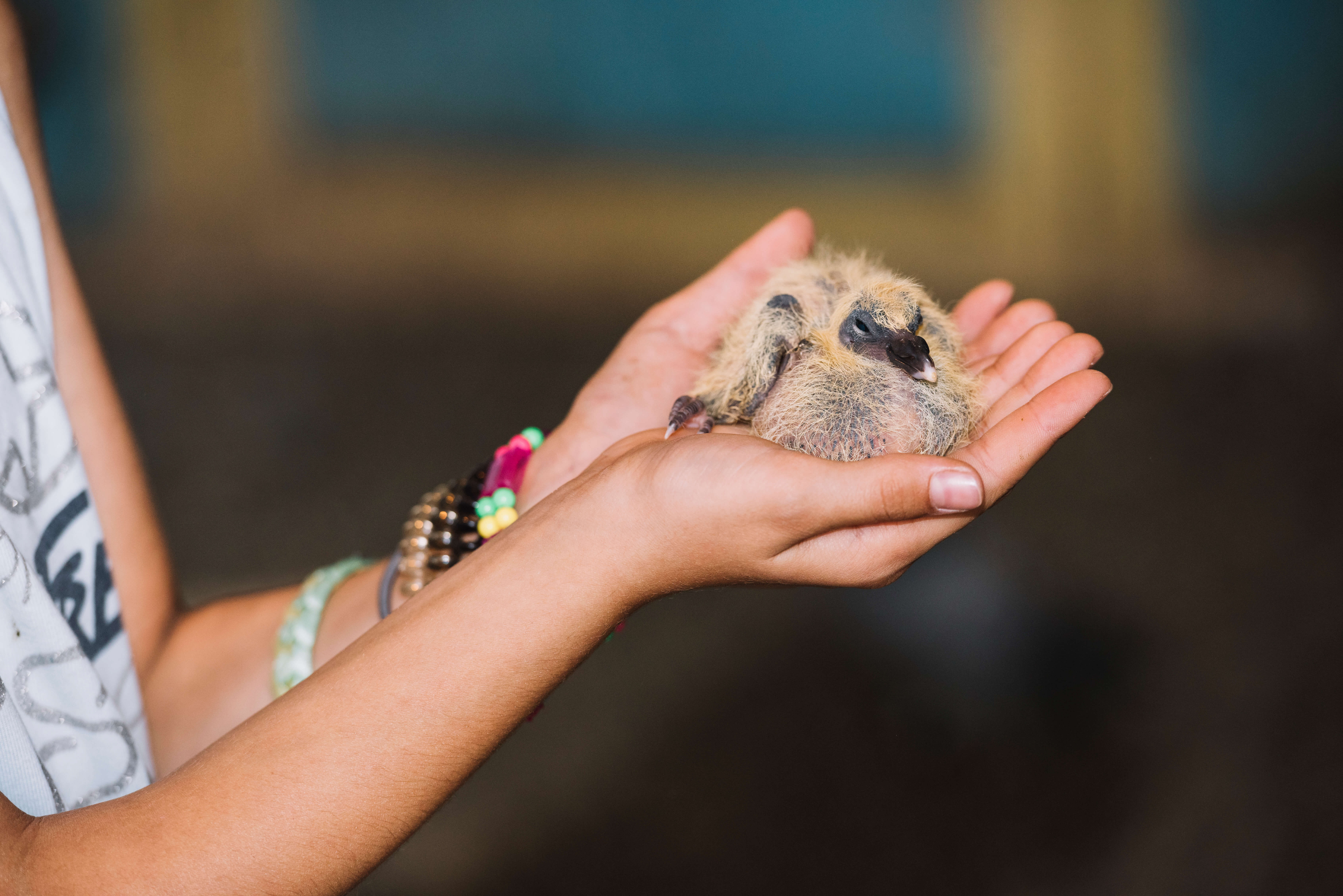
I found a baby animal alone. Should I bring it in?
Not immediately. In 80% of cases, the animal is not orphaned; its parents are just hunting or hiding nearby. Kidnapping a healthy wild baby is illegal and harmful to their development.
Can I visit the sanctuary and see the animals?
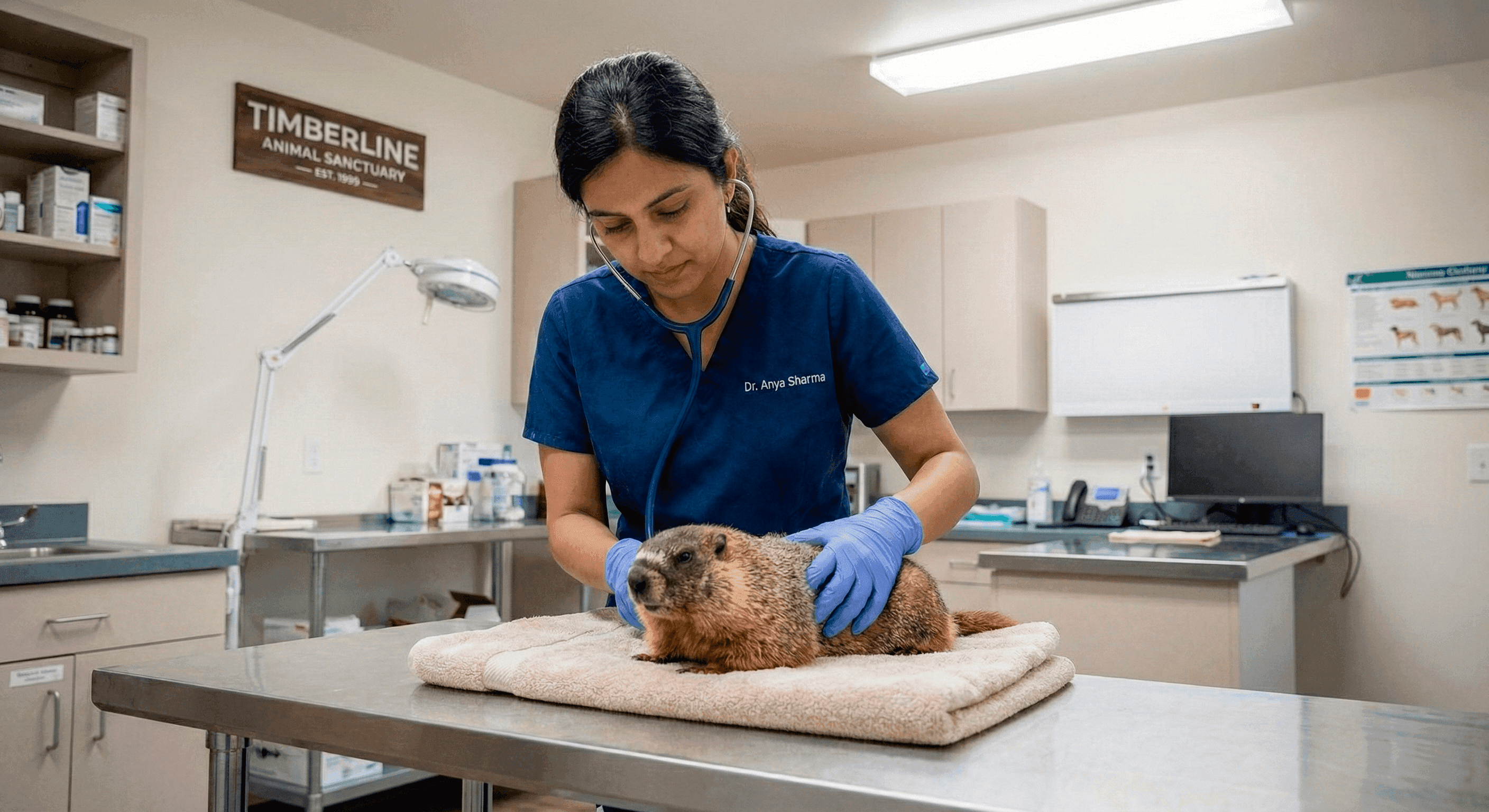
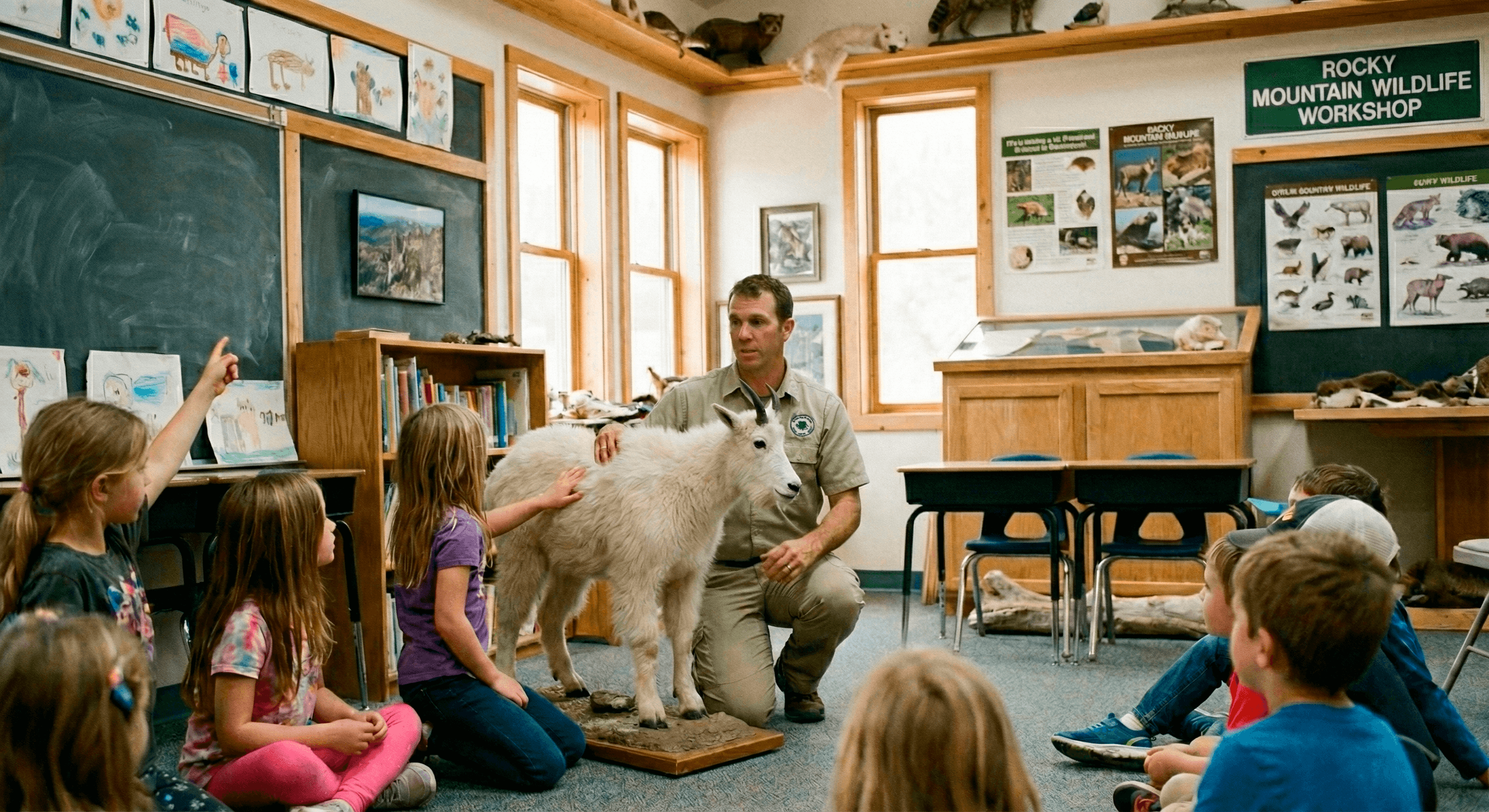
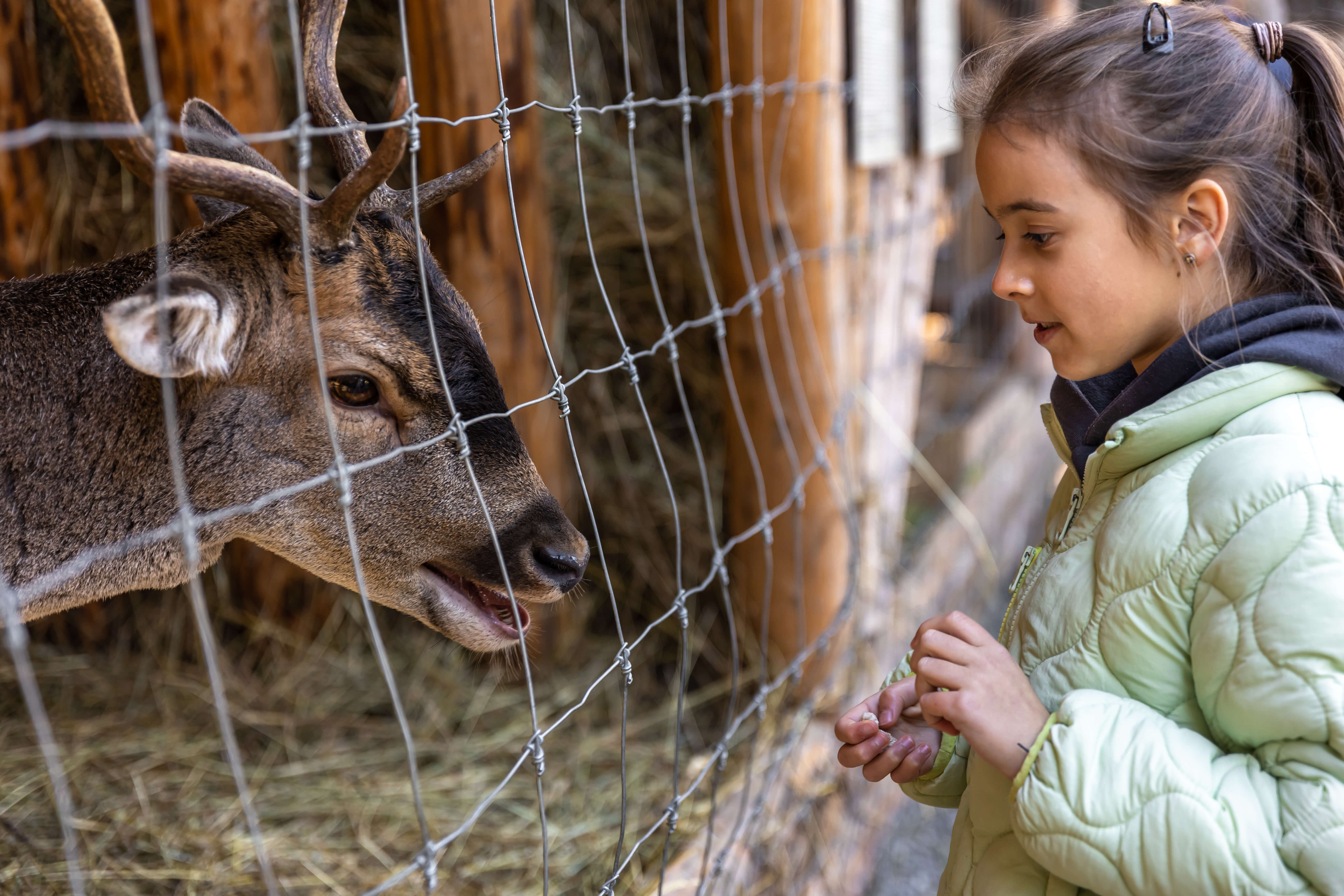
Our rehabilitation hospital is closed to the public. To successfully release patients back into the wild, they must fear humans. "Cuddling" or being viewed by crowds creates stress and habituation that makes them non-releasable. However, you can visit our Education Center to meet our permanent non-releasable Animal Ambassadors.
What happens to animals that cannot be released?
Our goal is always release. However, if an animal survives its injuries but cannot survive in the wild (e.g., a blind owl or a flightless hawk), we evaluate them for placement. They may become permanent residents at Timberline or be transferred to another accredited sanctuary or zoo.
Can I volunteer?
We rely on over 100 dedicated volunteers! However, working directly with patients requires specialized training and a minimum 6-month commitment. New volunteers typically start in support roles (maintenance, transport, food prep) before moving to animal care. Check our Volunteer page for upcoming orientation dates.