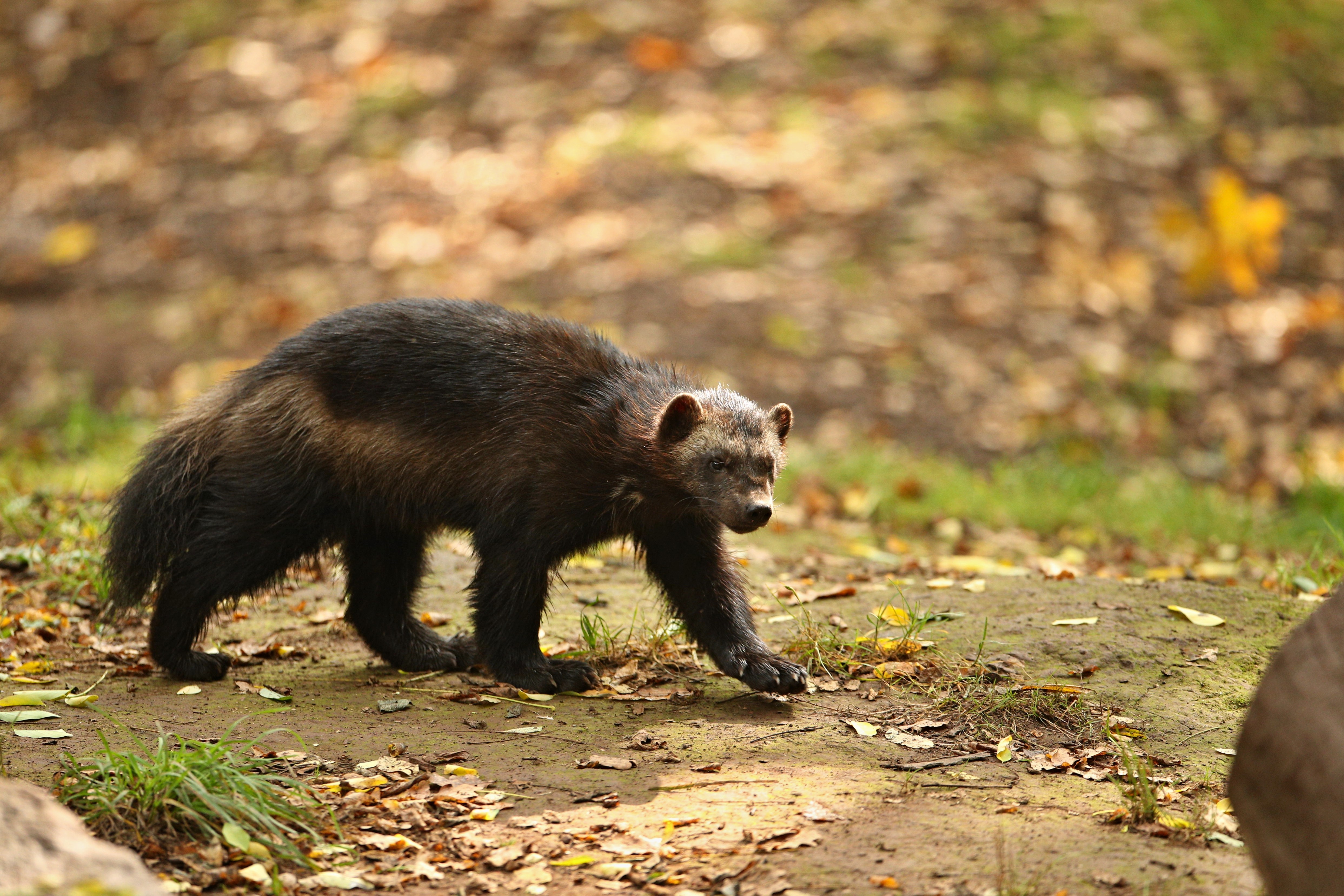
We often see patients who arrive not because of a predator or an accident, but because of a well-intentioned snack.
The Hidden Dangers of Human Food
Wild animals have highly specialized diets that have evolved over thousands of years. When we introduce processed human foods into their environment, we disrupt a delicate balance.
Nutritional Deficiencies: "Angel Wing" is a common deformity in ducks and geese caused by a high-calorie diet of bread and crackers. Their wings grow too fast for their bones to support, leaving them permanently unable to fly.
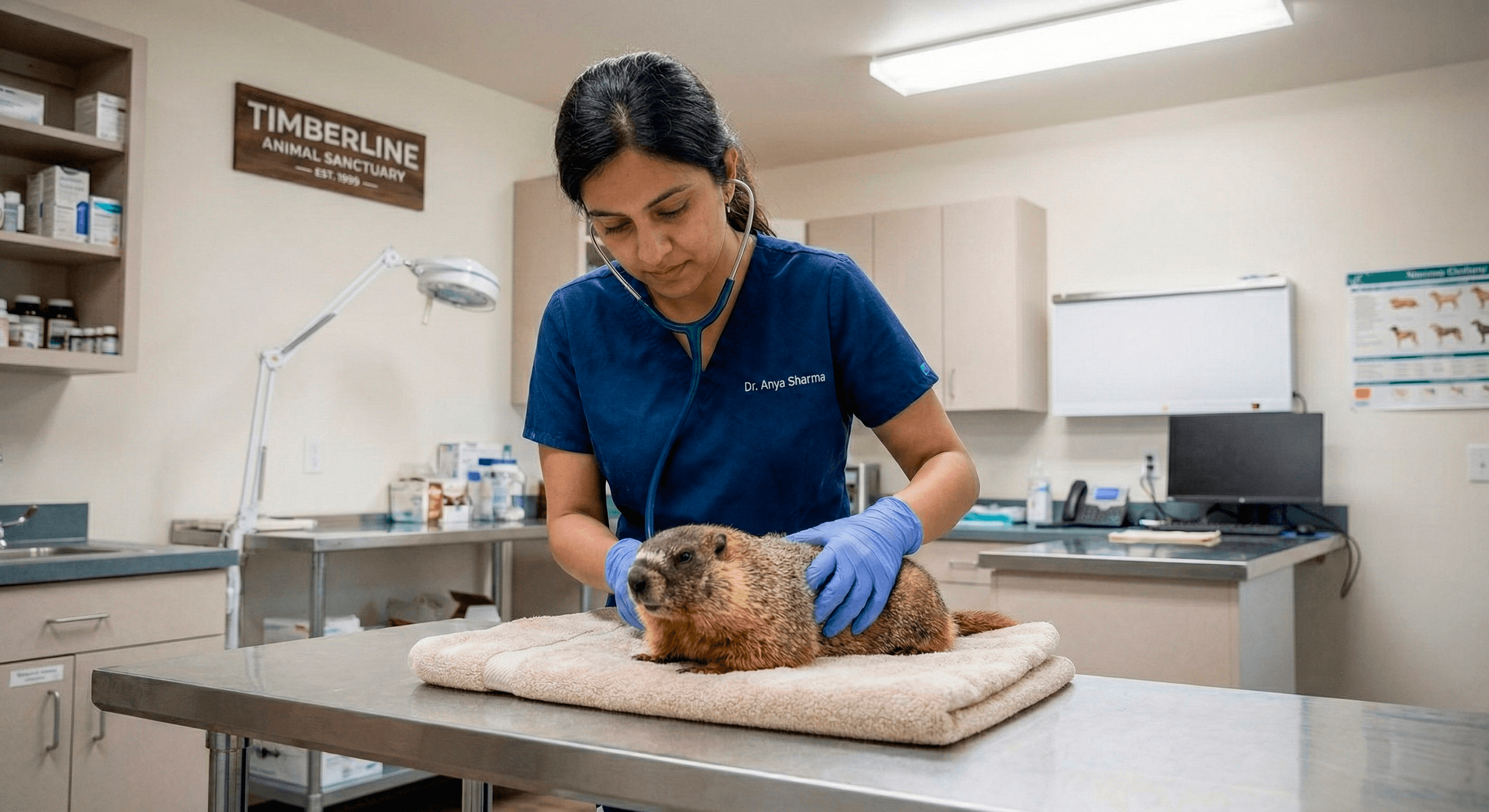
The Loss of Life Skills: When young animals like foxes or marmots learn that food comes from a porch or a hand, they stop learning how to hunt or forage. This makes them vulnerable if the human food source suddenly disappears.
Disease Transmission: Feeding stations often cause animals to congregate in unnaturally high numbers. This crowding makes it much easier for respiratory infections or parasites to spread through a local population.
From "Wild" to "Nuisance"
One of the most tragic consequences of feeding is habituation. When an animal loses its natural fear of humans, it is no longer truly wild.
Safety Risks: A habituated animal may become aggressive when it expects food and doesn't receive it.
Property Damage: Squirrels or raccoons encouraged to stay near a home may eventually try to enter attics or crawlspaces looking for more "treats."
Fatal Consequences: Animals that hang out near roadsides waiting for handouts are at a much higher risk of being hit by vehicles.
How to Be a True Ally to Wildlife
If you want to support the animals in your neighborhood, there are much safer ways to show you care. The best gift you can give a wild animal is the ability to remain wild.
Plant Native Species: Instead of a bird feeder, plant native shrubs and flowers that provide natural seeds, berries, and nectar.
Provide Clean Water: A simple birdbath with fresh, shallow water is a great resource, especially during heatwaves.
Keep Wildlife Wild: Observe animals from a distance. If an animal changes its behavior because of your presence, you are too close.
A Message from Our Team
The goal of conservation is to protect the integrity of the ecosystem. By letting animals find their own food, you are helping them maintain the health, skills, and caution they need to survive on their own.