While the world sleeps, a dedicated crew of experts takes to the skies above Timberline Wildlife Sanctuary.
More Than Just "Wings"
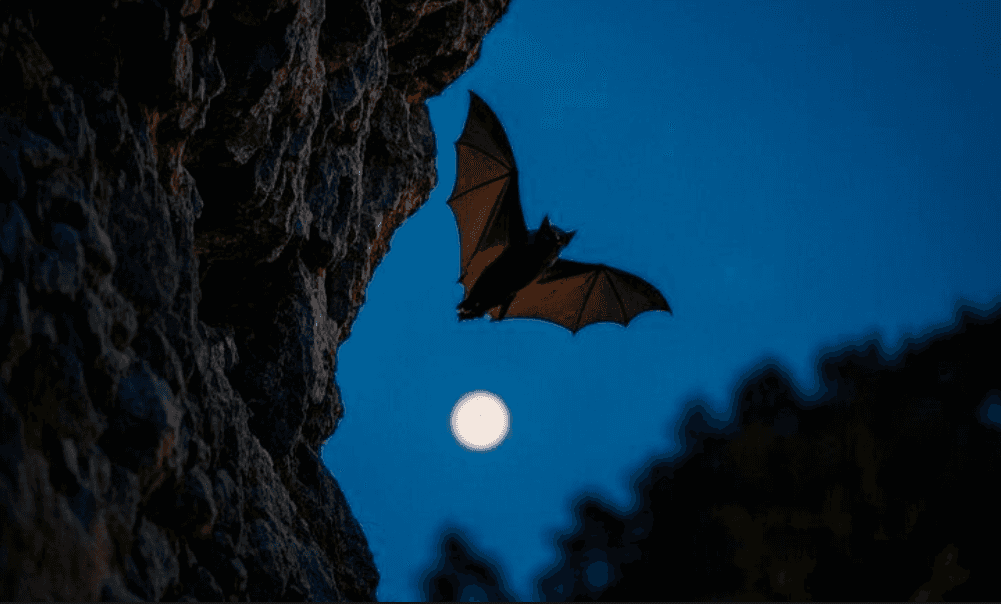
Bats are not "flying mice." They belong to a unique order called Chiroptera, which translates to "hand-wing." Their wings are actually modified hands with thin membranes of skin stretched between long finger bones.
Expert Navigators: Most local bats use echolocation to find their way. They emit high-frequency sounds that bounce off objects, allowing them to "see" a mosquito or a tree branch in total darkness.
Incredible Appetites: A single little brown bat can eat up to 1,000 mosquito-sized insects in just one hour. This makes them a natural, chemical-free form of pest control for farmers and gardeners alike.
Longevity: Despite their small size, some bats can live for over 30 years in the wild, which is extraordinary for a mammal of their stature.
Facing the Shadows: Conservation Challenges
Bats are currently facing significant threats that put entire populations at risk. At our sanctuary, we treat bats for various injuries, but we also focus on the larger issues affecting their survival.
White-Nose Syndrome: This fungal disease has devastated bat colonies across the continent. It wakes bats up from hibernation too early, causing them to burn through their fat reserves before spring arrives.
Habitat Loss: Old hollow trees and quiet caves are disappearing. Without safe places to roost and raise their "pups," bat numbers continue to decline.
Human Interference: Misinformation often leads people to exclude bats from buildings in ways that can trap or harm them.
How You Can Support the Night Shift
You don't need to be a scientist to help protect these nocturnal neighbors. Small changes in your own backyard can provide a lifeline for local bat species.
Install a Bat House: Providing a safe, warm place for bats to roost helps compensate for the loss of natural habitats.
Reduce Light Pollution: Bright outdoor lights can disrupt bat foraging patterns and make them more vulnerable to predators. Consider using motion-activated lights or shielding your fixtures.
Leave the Leaves: Many insects that bats eat thrive in leaf litter and native vegetation. Keeping a "wild" corner in your garden supports the entire food chain.
The Timberline Commitment
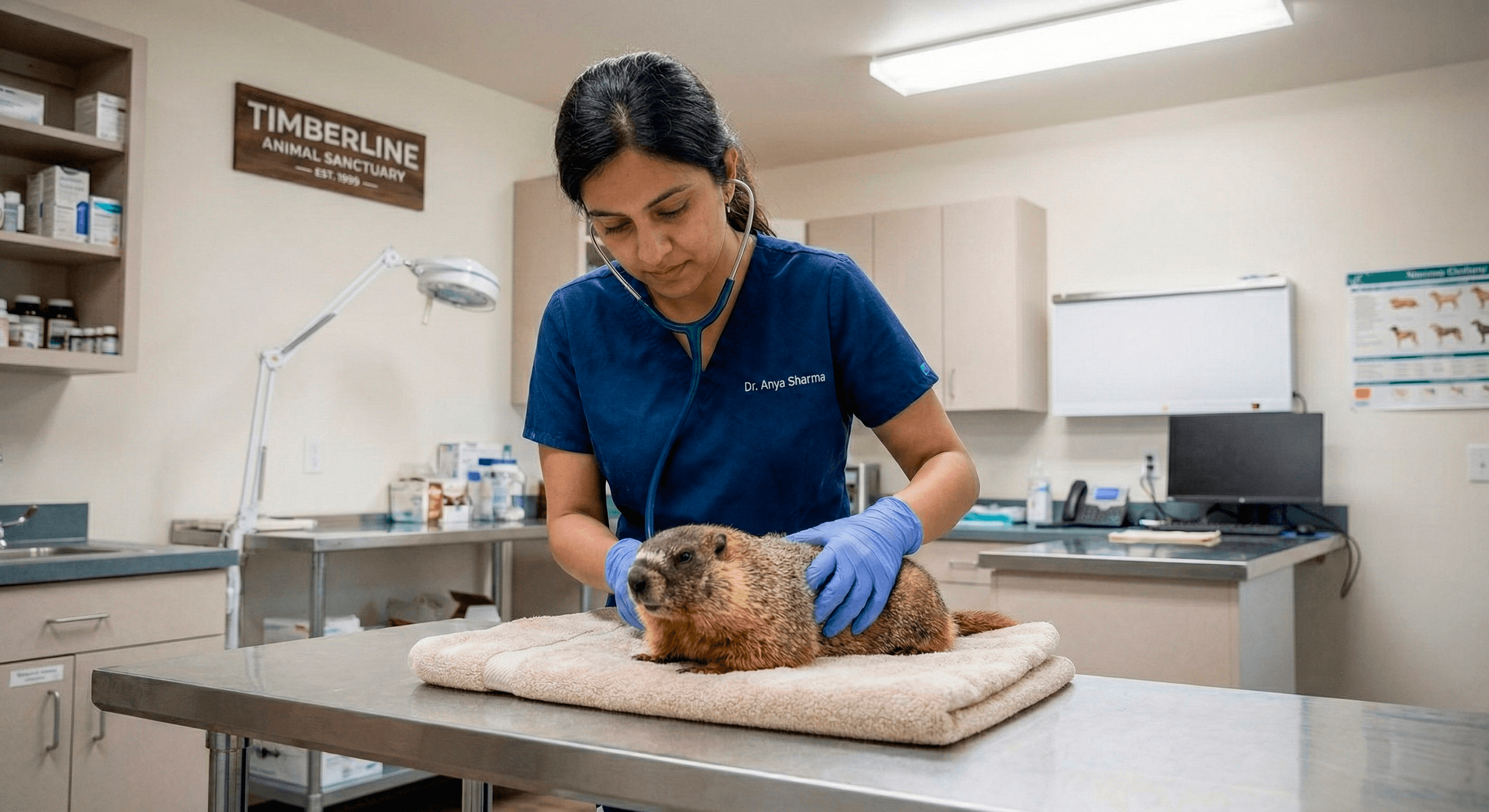
Our medical team is trained in the delicate handling required for bat rehabilitation. From rehydrating exhausted migrants to mending torn wing membranes, we are committed to keeping the "night shift" on duty.
Did You Know? Bats are remarkably clean animals that groom themselves constantly, much like cats. They are a vital part of our natural heritage and deserve our respect and protection.